

Comprehensive Outlook for the Entire LED Display Industry in the Second Half of 2026
In the first half of 2026, the LED display industry experienced an extraordinary six months marked by technological advancements and market adjustments. As the second half of the year begins, the industry stands at a critical turning point—with overall volume maintaining steady growth, structural divergence intensifying, and the retrofitting of existing installations becoming the core driver of growth. Moving away from the previous extensive model that simply pursued scale expansion, the industry is shifting toward a new phase of high-quality development characterized by “stable volume and improved quality, expansion into high-end segments, technological convergence, scenario-based segmentation, and value-added services.”
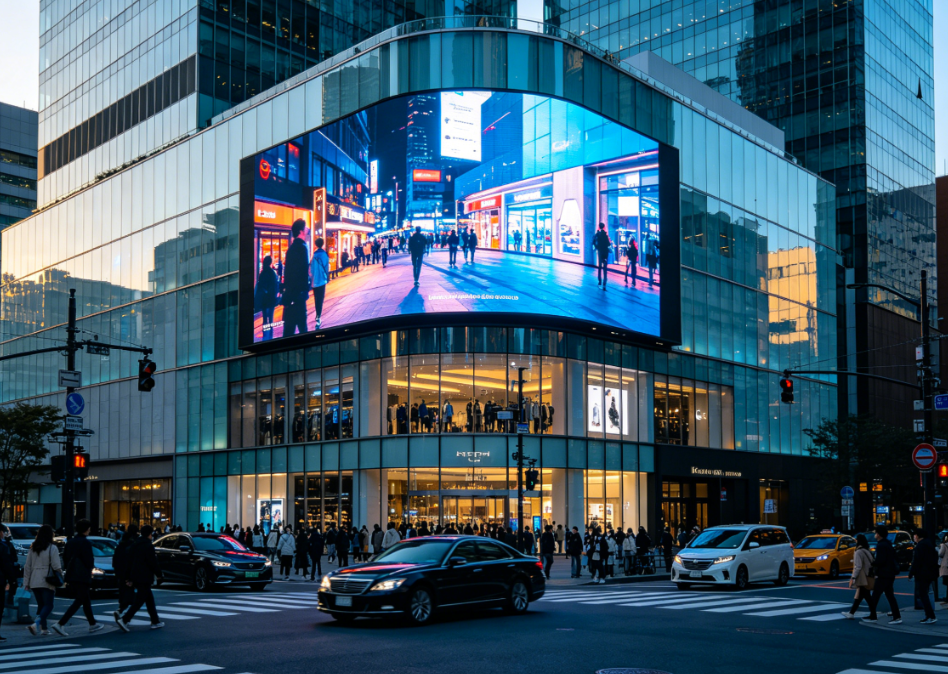
Total Market Volume Remains Stable with a Slight Decline; Existing Demand Supports the Industry’s Foundation
The overall market has moved beyond rapid expansion, with annual growth rates moderating compared to previous years. Stable total volume and strong replacement demand have become the key characteristics of the second half of the year. On the demand side, growth in traditional new outdoor large-screen installations and standardized commercial displays is gradually reaching saturation, a large number of displays installed between 2018 and 2020 have entered their 5- to 8-year replacement cycle, with replacement orders continuing to surge and gradually becoming the market’s main driver. On the supply side, following last year’s industry shakeout, inefficient and low-end production capacity continues to be phased out; capacity utilization rates at leading manufacturers are steadily rising; disorderly price wars for low-end products have cooled; and the industry’s average profitability has shown a slight month-over-month recovery.
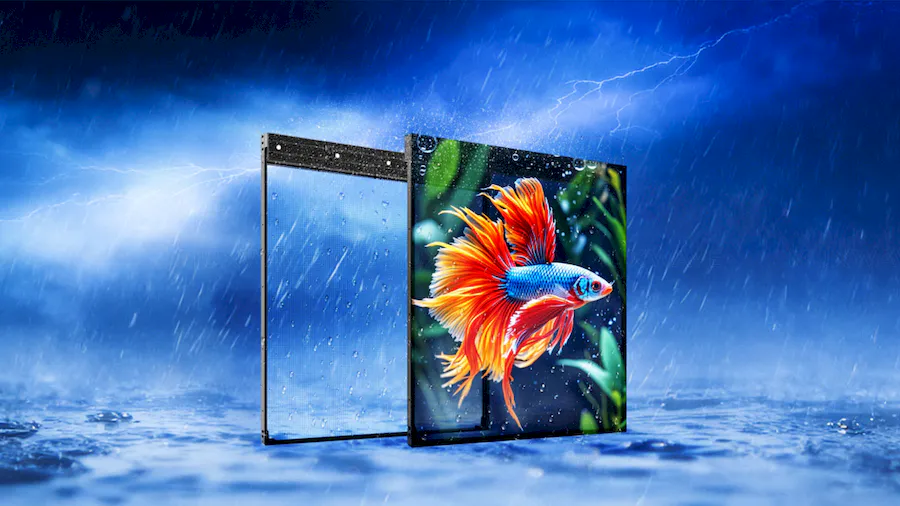
At the policy level, support measures for next-generation display technologies continue to be implemented, helping to advance the industrialization of Mini/Micro LED. Meanwhile, new regulations on the management of outdoor large-screen displays are being rolled out across various regions, driving the retrofitting and upgrading of outdated screens through compliance and energy-efficiency requirements. According to bidding data, the value of contracts awarded for retrofit projects in Q3 exceeded that of new construction projects for the first time, providing solid support for the industry’s overall scale.
Market Polarization: High-End Accelerates, Mid-Range Remains Steady, Low-End Contracts
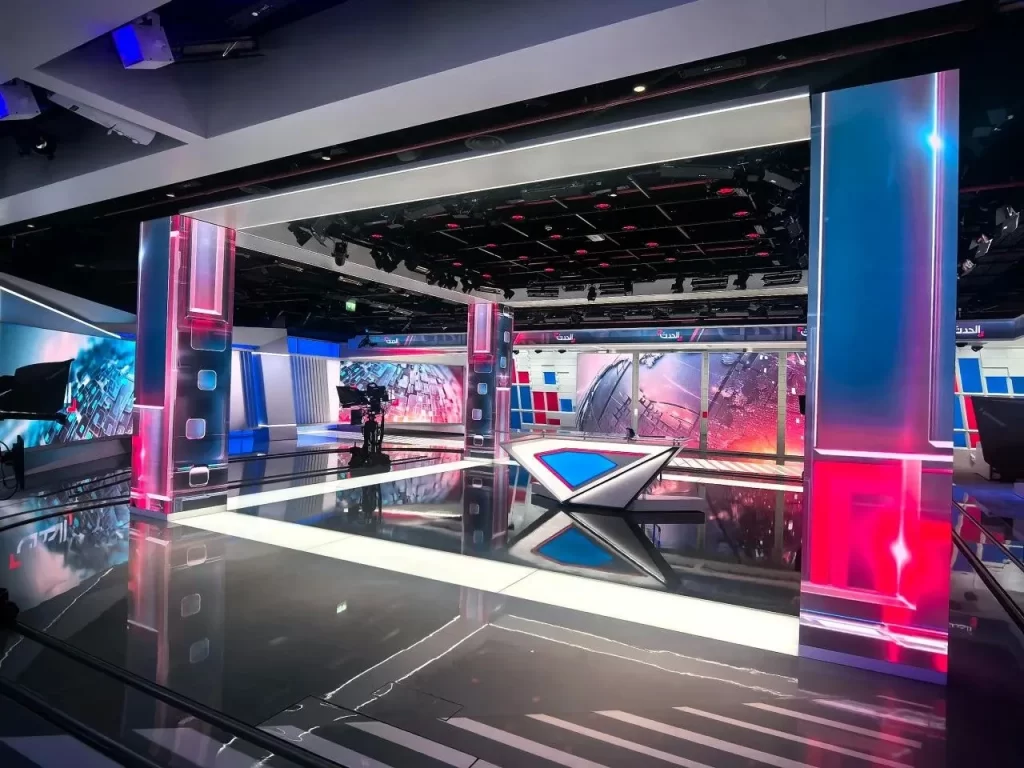
In the second half of the year, market segmentation became increasingly pronounced, with resources continuing to shift toward high-value-added sectors. The trends across the three market segments differed significantly. The high-end market maintained rapid growth driven by the adoption of new technologies and emerging applications, encompassing five major categories: XR virtual screens°, DCI-certified cinema LED screens, ultra-fine-pitch displays (sub-P1.0), transparent architectural screens, and creative displays for cultural and tourism projects. The short-form video industry has accelerated the construction of small- and medium-sized XR studios, while the certification of domestically produced LED movie screens has spurred the renovation of third- and fourth-tier cinemas; COB and MiP technologies have reached “mature mass production,” with ultra-fine-pitch products continuing to penetrate the financial and high-end retail sectors; transparent screens and custom-shaped light-and-shadow screens are steadily increasing in volume, driven by commercial real estate and nighttime tourism projects in county-level areas.
In the mid-range market, growth is primarily driven by upgrades of existing installations, concentrated in government and enterprise command centers, commercial conference rooms, and standard small-pitch displays in mixed-use complexes, with demand remaining stable and orderly. Order volumes continue to be bolstered by the renovation of outdated screens in commercial districts, the refurbishment of chain stores, and tenders for smart blackboards spurred by the fall back-to-school season; COB products are steadily replacing traditional SMD products due to their superior stability. : Demand for low-end conventional wide-pitch full-color displays and simple monochrome public information screens continues to shrink. With razor-thin product margins, the survival space for small and medium-sized workshops is shrinking, and market share continues to concentrate among large-scale leading brands; only scattered small-scale projects in county-level areas retain a small amount of essential demand.
Existing-Asset Retrofits as the Core Engine: Orders Are Being Released Concentratedly Across Four Major Application Scenarios
Existing installation retrofits represent the industry’s most certain growth driver in the second half of the year. Driven by three factors—policy constraints, technological upgrades, and declining component costs—replacement demand in four major sectors is being realized in a concentrated manner. Policies require non-compliant outdoor displays to be rectified within a specified timeframe. New-generation displays outperform older models in power consumption, service life, and O&M costs. Coupled with the sustained decline in upstream raw material prices, the payback period for retrofit projects has shortened, significantly increasing property owners’ willingness to upgrade.
Outdoor commercial district display screens are undergoing large-scale energy-efficient and smart upgrades. In first- and second-tier cities, the focus is on high-end, protected full-color products, while in lower-tier markets, most upgrades involve switching from monochrome to full-color displays. The hosting of various sporting events has driven the replacement of screens in sports venues, and demand for renovations of college athletic fields has surged with the start of the academic year. Government and corporate command centers are phasing out DLP and LCD video wall solutions in favor of small-pitch LED displays, while projectors in small and medium-sized conference rooms are being replaced en masse with all-in-one LED displays; Smart transportation upgrades are accelerating, with highway guidance screens, bus stop displays, and transit hub information screens being progressively replaced with smart versions, while transparent products are gradually being deployed in airports and high-speed rail stations.
Diverse Technology Pathways Take Hold; AI Intelligence Moves from Concept to Commercialization
In the second half of the year, the industry’s technology development followed a rhythm of scaling up mature technologies, conducting small-batch trial production of cutting-edge technologies, and implementing cross-industry applications. COB, MiP, and glass-based COG technologies developed in parallel, with AI deeply empowering end-user applications. COB has become the mainstream solution for indoor fine-pitch displays; as mass production takes hold, the cost of ultra-fine-pitch displays is declining, allowing them to continue capturing market share in the retrofit sector. MiP focuses on high-refresh-rate, slim-profile applications, deeply penetrating the rental and high-end XR markets. Glass-based COG is still in the small-batch trial phase, primarily targeting high-end transparent curtain walls and in-vehicle displays.
AI applications are centered on three areas: the widespread adoption of intelligent operation and maintenance systems, which use remote algorithms to enable fault prediction and reduce maintenance costs; AIGC° content bundled with hardware for sale, creating a new revenue model for retail and cultural tourism projects; and AI interactive screens, which are steadily gaining traction in education and exhibition venues thanks to facial recognition and gesture control. At the same time, products across the industry are evolving toward lower power consumption and lighter weight to meet “dual carbon” requirements and the frequent assembly and disassembly demands of entertainment and sporting events.
Industry Landscape Reshaping: Leading Players Adopt Full-Chain Strategies; Small and Medium-Sized Manufacturers Break Through in Niche Segments
With the arrival of the market saturation era, the logic of industry competition has undergone a fundamental shift. Competition is no longer solely based on hardware prices but has shifted to technological R&D, integrated solutions, and full-lifecycle operation and maintenance services. The market landscape is characterized by concentration among leading players, mid-tier companies deepening their focus on niche segments, and accelerated consolidation among smaller players.
Leading listed display manufacturers continue to refine their full-industry-chain layout, simultaneously establishing multiple R&D lines for cutting-edge technologies. Leveraging their economies of scale, they are expanding into both domestic and international markets, with overseas sports infrastructure projects and commercial retrofit orders gradually becoming significant sources of revenue. Their business models have shifted from the simple sale of display hardware to integrated, bundled services encompassing project design, installation, and long-term operations and maintenance. By relying on comprehensive after-sales support systems, they are securing large-scale retrofit projects in the existing market.
Mid-tier manufacturers are abandoning homogeneous competition across all product categories and instead selecting a single niche segment to pursue in-depth breakthroughs. Some companies are focusing on cinema LED screens while others are delving into transparent displays; still others are specializing in XR filming support products. By leveraging specific technological advantages, they are capturing a fixed market share in their respective niches, thereby avoiding head-to-head price competition with industry leaders.
A large number of small factories lacking technical capabilities and financial resources are accelerating their exit from the general-purpose large-screen market. Some micro and small enterprises are transitioning into engineering installation and after-sales maintenance service providers, partnering with top brands to undertake implementation projects and generating revenue through support services for retrofitting existing installations. The pace of market consolidation in the low-end general-purpose segment continued to accelerate in the second half of the year, further increasing industry concentration.
Industry Opportunities and Existing Challenges
As we enter the second half of the year, the industry’s primary opportunities are concentrated in three areas: First, the massive volume of replacement orders driven by retrofitting existing installations represents the most certain source of growth for the entire industry; second, the continued expansion of high-end market segments—such as XR, cinema screens, and ultra-fine pitch displays—is boosting overall corporate profitability; third, the integration of AI technology with display hardware is spawning entirely new business models, opening up opportunities to enhance product value.
At the same time, the industry continues to face two major practical challenges: First, the prices of upstream raw materials—such as copper, PCBs, and driver ICs—experience periodic fluctuations, placing sustained pressure on cost control for small and medium-sized manufacturers. While leading brands can cushion these cost fluctuations through centralized procurement, smaller manufacturers have limited room to adjust their prices; Second, the pace of technological iteration in the industry continues to accelerate, with parallel R&D efforts across multiple pathways—including COB, MiP, and Micro LED. Sustained R&D investment puts a strain on companies’ financial reserves, and choosing the wrong technological path will directly impact future market competitiveness.
In the second half of 2026, the LED display industry will officially enter a critical transition period dominated by the replacement of existing installations and structural optimization. While the industry as a whole is unlikely to replicate the explosive growth of earlier years, replacement demand will steadily underpin the market’s fundamentals. High-end segments will capitalize on the benefits of industrial upgrading to achieve rapid growth, and polarization between the high-end and low-end markets will become the norm. For industry professionals, the core strategy for navigating the industry cycle in the second half of the year is to abandon low-price competition, seize the opportunity presented by existing installation upgrades, focus on technological upgrades in specific market segments, and implement integrated services combining hardware, software, and operations and maintenance. Following this round of industrial restructuring, the continuous elimination of outdated production capacity and the consolidation of high-quality resources will lay a solid foundation for the high-quality and steady development of the LED display industry in the coming years.
相关新闻
-

2026 Fine-Pitch LED Displays: COB and Mini LED Technologies Drive Industry Innovation
COB fine-pitch LED displays, “as core hardware for smart visualization, have been widely adopted in government, security, cultural tourism, and corporate office settings.”
-
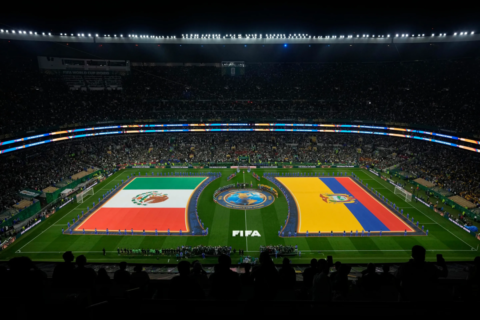
Exports Soared in Q2 2026, Marking a Temporary Peak in Deliveries for Chinese LED Display Manufacturers
In the second quarter of 2026, China’s LED display industry experienced a significant surge in overseas shipments. The industry saw a temporary peak in deliveries.
-
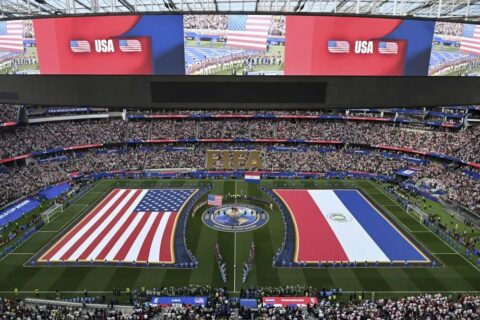
How Much Room for Growth Does Smart Sports Offer the LED Display Industry?
The possibilities opened up by smart sports go far beyond 600,000 units. It points toward a full-scenario smart sports display ecosystem that spans “schools,” “homes,” and “communities.”
-
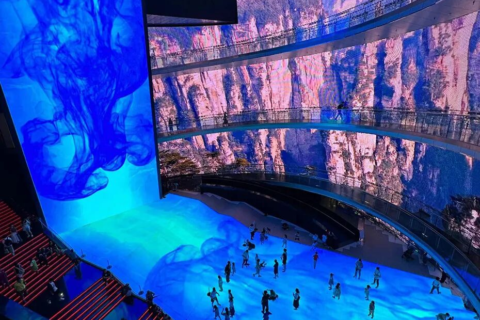
2026 Growth Rankings for LED Screen Market Segments
In 2026, the global LED display industry stands at a critical juncture. According to industry forecasts, the global LED display market is projected to reach $8.105 billion in 2026.
-
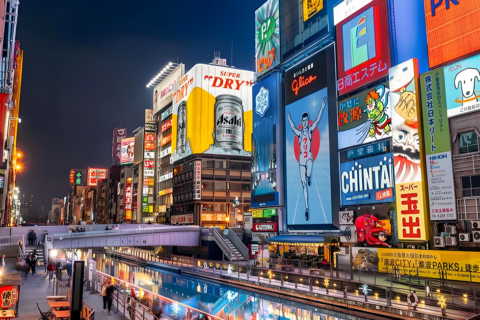
Tightening Supply of Raw Materials for LED Screens Disrupts Japan’s Supply Chain
The implementation of export controls on critical rare earths and core minerals has indeed placed tangible supply pressures on Japan’s display industry chain, while also creating a temporary market opportunity for Chinese LED display companies.
-

How Can LED Screens Be Upgraded to “AI Human-Machine Interfaces” by 2026?
By 2026, the criteria for evaluating LED displays will move beyond traditional hardware metrics such as brightness and resolution; interactivity, intelligence, and adaptability to different scenarios will become the new industry benchmarks.
-
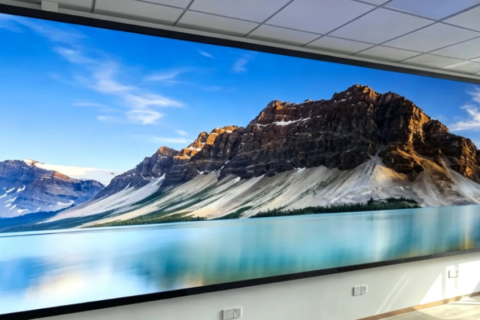
A Review of the LED Display Market in the First Half of 2026
In the first half of 2026, the shipment area of domestic fine-pitch LED displays continued to grow at a double-digit rate; however, due to the ongoing decline in average product prices, overall sales revenue fell year-over-year, and the industry entered a typical phase of “increasing volume but decreasing revenue.”
-
Global LED Display Market in Q1 2026: “Volume Up, Prices Down”
According to Omdia’s latest “LED Display Market Tracking Report,” global LED display shipments in the first quarter rose slightly by 0.6% year-over-year, continuing the previous trend of moderate growth; however, market revenue fell by 2.3% year-over-year.