

How Can LED Screens Be Upgraded to “AI Human-Machine Interfaces” by 2026?
Amid the technological wave of 2026, LED displays are undergoing a profound transformation. They are no longer merely “screens that light up,” but have evolved into smart terminals that integrate sensing, computing, interaction, and display, becoming the core interface for human-machine interaction in the AI era. This transformation has not only restructured the technical architecture of display devices but has also reshaped the interaction paradigms across multiple sectors—including business, cultural tourism, and conferences—enabling “display as interaction” to move from concept to large-scale implementation.
The Interaction Revolution: The Technological Leap from “One-Way Output” to “Two-Way Dialogue” in LED Screens
The core value of traditional LED screens lies in “display”—presenting information to audiences in visual form—making them a typical one-way communication medium. In contrast, smart LED screens in the AI era have achieved technological breakthroughs across three dimensions, completing a qualitative transformation from “passive display” to “active interaction.”
Modern smart LED screens have transcended the boundaries of traditional display hardware by integrating multi-modal sensing modules and AI processing units, thereby constructing a complete “perception-computation-display-feedback” closed-loop system. Equipped with hardware such as high-definition cameras, 3D depth sensors, infrared touch arrays, and ambient light sensors, these devices can accurately perform operations including human posture recognition, gesture tracking, voice capture, and eye tracking, enabling the screens to autonomously perceive their external environment and human movements.
At the same time, the screens feature built-in dedicated NPU chips, which support local real-time data processing, ensure smooth video streaming, strictly control interaction latency within reasonable limits, enable offline AI inference, and reduce reliance on cloud servers. Upgrades to touch technology have further optimized the user experience; high-precision infrared or capacitive touch configurations, combined with ultra-high-definition display technology, balance operational accuracy with image clarity.
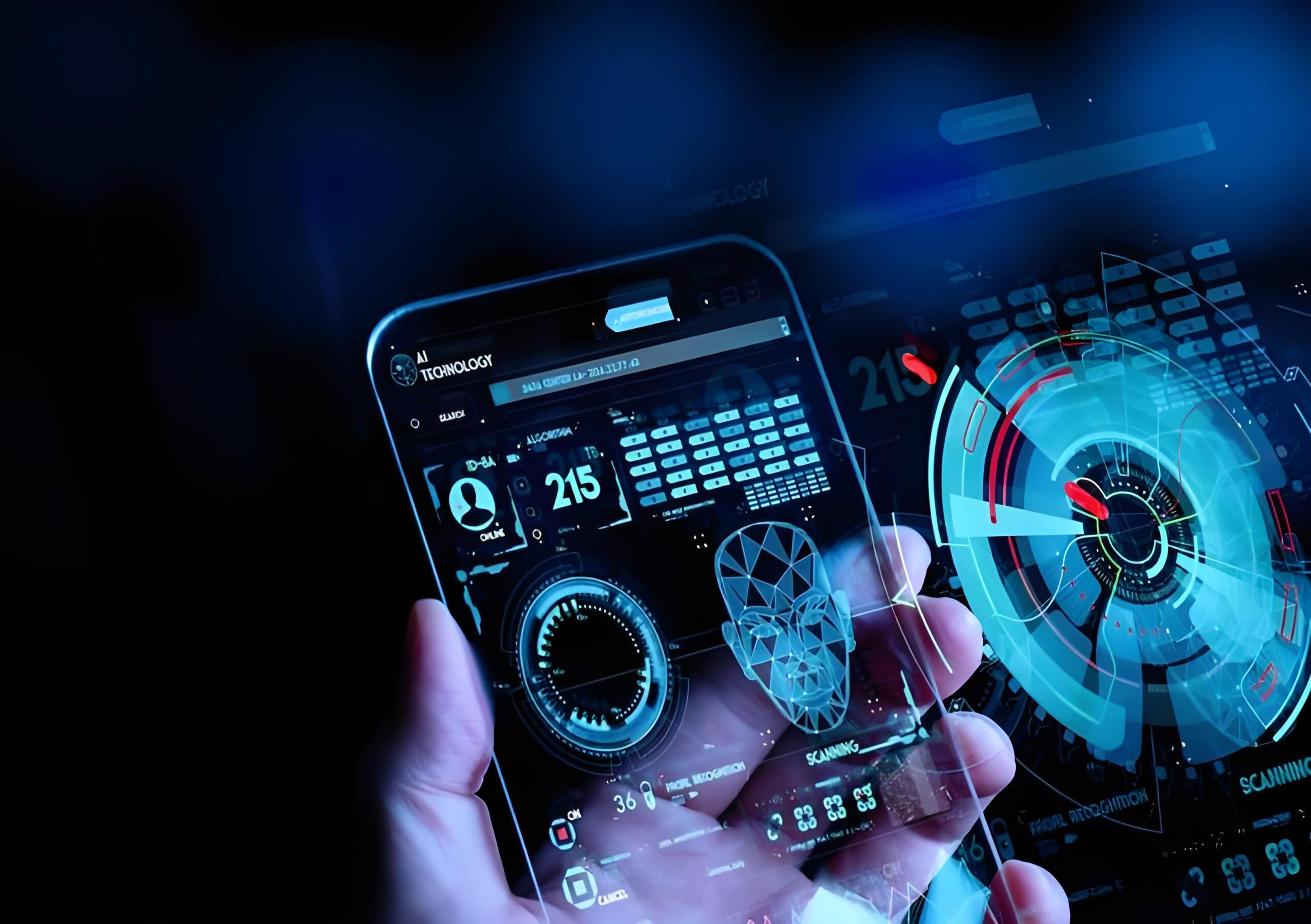
The deep integration of AI algorithms has transformed LED screens from simple content players into intelligent decision-making centers capable of independent thought. Leveraging AIGC technology, the screens can automatically adapt to different usage scenarios and generate various types of text, images, and video content, significantly lowering the barrier to content creation. Utilizing computer vision and natural language processing technologies, the device can interpret user behavior, understand environmental changes, and proactively select the appropriate service mode. In addition, the smart LED screen can integrate with lighting, audio systems, and various IoT devices, breaking down barriers between smart devices and serving as the intelligent control hub for the entire space.
Smart LED screens break away from traditional, single-mode manual touch controls to build a diversified, natural interaction system. Voice interaction, powered by far-field recognition and semantic analysis technologies, allows users to issue commands without touching the screen, making it suitable for scenarios such as offices and exhibition halls; gesture interaction, enabled by 3D sensing and skeletal recognition, enables clean, contactless control, making it ideal for high-traffic areas; and eye-tracking interaction precisely captures the user’s line of sight, making it suitable for high-end experiential scenarios. These innovations in interaction modes have transformed LED screens from passive tools into proactive service assistants, delivering a smoother and more natural human-screen interaction experience.
Real-World Applications: Three Key Sectors Demonstrate the Commercial Value of the Interaction Revolution
In traditional meetings, LED screens serve merely as display media, capable only of playing presentation materials. In contrast, AI-powered smart meeting screens redefine the entire meeting process, effectively enhancing workplace collaboration efficiency. Before a meeting, users can quickly create a meeting via voice commands, automatically completing tasks such as venue reservations, notifications, and agenda scheduling. The system can also match topic-specific templates and aggregate office documents, reducing the cost of manual organization. During meetings, the device automatically tracks the speaker, generates real-time captions, and provides multilingual translation. It supports voice control of screen functions and integrates with business systems to transform complex data into visual charts, facilitating efficient decision-making. After meetings, intelligent technology automatically organizes meeting minutes, flags to-do items, and intelligently edits and archives meeting materials, consolidating them into knowledge assets that continuously optimize corporate workflows.
In the retail industry, LED screens have moved beyond their basic functions of advertising and price display to become intelligent shopping guides. Using compliant visual recognition technology, the devices can analyze customer behavior—capturing information such as movement patterns and gaze direction—to accurately assess consumer preferences and provide data-driven support for personalized services. Diverse natural interaction modes enhance the shopping experience: motion-sensing interaction enables virtual try-ons for clothing and makeup; far-field voice interaction provides product consultation services, offering personalized shopping assistance. Combined with interactive large screens and sensor-equipped floor tiles, these systems dynamically adjust visuals and lighting in response to body movements, creating an immersive shopping atmosphere that effectively extends customer dwell time.
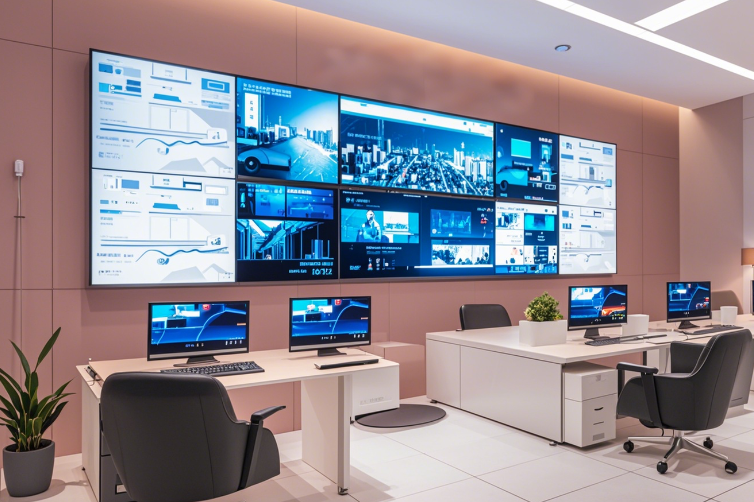
To complete the closed-loop consumer experience, smart LED screens can directly generate shopping QR codes, enabling customers to place orders by scanning the code and pick up their purchases in-store, thereby streamlining the shopping process. The system also uses user interaction data to precisely deliver personalized offers, boosting customer willingness to purchase and empowering brick-and-mortar stores through intelligent interactive technologies.
In the cultural and tourism sector, LED screens are no longer merely decorative elements; they have become core platforms for cultural dissemination and immersive experiences. Multi-screen setups create immersive spaces that transcend the limitations of the physical environment. Combined with motion-sensing technology, the visuals dynamically change in response to visitors’ movements, allowing them to participate in interactive creation and enhancing the enjoyment of their visit. In the realm of cultural and scientific education, ultra-high-definition screens can display digital models of cultural relics, using gesture control and intelligent commentary to clearly showcase their details. AI virtual guides flexibly answer questions, adapting to the needs of different visitors. Attractions can also set up creative zones using interactive large screens, where visitors can use gestures and voice commands to create cultural and creative products, leaving behind personalized souvenirs of their visit.
Aligning with current social media trends, smart LED screens are equipped with AI image-generation capabilities that combine the attraction’s unique features to produce creative artistic portraits, which can be easily shared on social media platforms. Interactive photo spots that blend the real and virtual worlds can quickly turn attractions into viral hotspots, boosting their visibility and achieving a synergistic effect that drives both cultural dissemination and commercial traffic.
Future Outlook: The Evolutionary Path and Challenges of “Display as Interaction”
In the future, LED interactive display technology will continue to undergo iterative optimization. At the perception level, the industry will gradually transition from 2D recognition to 3D spatial perception, integrating multiple sensory modalities to accurately capture user behavior, anticipate operational intent, and continuously reduce recognition errors. In terms of responsiveness, driven by chip upgrades and algorithm optimization, interaction latency will continue to be reduced, approaching the response speed of natural human-to-human communication and eliminating the lag and awkwardness often associated with human-screen interactions. In terms of adaptability, devices will possess autonomous learning capabilities, adjusting display presentation and interaction logic based on user habits to achieve personalized adaptation tailored to each individual.
In the future, LED interactive screens will break free from their isolated form and become deeply integrated into a comprehensive smart ecosystem. The devices will be able to interconnect with various smart terminals to facilitate the flow of data and content, as well as the seamless switching of interaction permissions; leveraging spatial computing technology, they will adapt to different venues, optimizing display and sensing effects. At the same time, the industry will establish an open development platform, open device interfaces, enrich application scenarios, and enhance the smart display ecosystem.
Currently, the widespread adoption of smart interactive LED screens still faces numerous challenges. On the hardware side, the addition of smart modules drives up production and deployment costs; production processes must be optimized and mass production scaled to lower the barriers to implementation. Regarding data, visual recognition poses privacy risks, requiring anonymization and local storage technologies to ensure data security. In terms of usability, adoption rates remain low among certain user groups; operation logic must be simplified, the interactive experience optimized, and the learning curve reduced to accommodate the needs of all age groups.
By 2026, the criteria for evaluating LED screens will move beyond traditional hardware metrics such as brightness and resolution; interactive capabilities, intelligence levels, and adaptability to specific scenarios will become the industry’s new benchmarks. Leveraging diverse application scenarios in offices, retail, and cultural tourism, LED screens will evolve into the core of spatial interaction, establishing a bridge between people and the digital world. This transformation is not merely a pile-up of technology but a reshaping of the industry’s very essence, transforming screens from one-way display windows into two-way communication media between humans and machines. As AI technology and display processes continue to evolve, smart LED screens will penetrate various industry segments, accelerate the convergence of the digital and physical worlds, and usher in a new era of development for smart displays.
相关新闻
-

2026 Fine-Pitch LED Displays: COB and Mini LED Technologies Drive Industry Innovation
COB fine-pitch LED displays, “as core hardware for smart visualization, have been widely adopted in government, security, cultural tourism, and corporate office settings.”
-
Global LED Display Market in Q1 2026: “Volume Up, Prices Down”
According to Omdia’s latest “LED Display Market Tracking Report,” global LED display shipments in the first quarter rose slightly by 0.6% year-over-year, continuing the previous trend of moderate growth; however, market revenue fell by 2.3% year-over-year.
-

How Much Room for Growth Does Smart Sports Offer the LED Display Industry?
The possibilities opened up by smart sports go far beyond 600,000 units. It points toward a full-scenario smart sports display ecosystem that spans “schools,” “homes,” and “communities.”
-
2026 Growth Rankings for LED Screen Market Segments
In 2026, the global LED display industry stands at a critical juncture. According to industry forecasts, the global LED display market is projected to reach $8.105 billion in 2026.
-
A Review of the LED Display Market in the First Half of 2026
In the first half of 2026, the shipment area of domestic fine-pitch LED displays continued to grow at a double-digit rate; however, due to the ongoing decline in average product prices, overall sales revenue fell year-over-year, and the industry entered a typical phase of “increasing volume but decreasing revenue.”
-
Exports Soared in Q2 2026, Marking a Temporary Peak in Deliveries for Chinese LED Display Manufacturers
In the second quarter of 2026, China’s LED display industry experienced a significant surge in overseas shipments. The industry saw a temporary peak in deliveries.
-
Comprehensive Outlook for the Entire LED Display Industry in the Second Half of 2026
In the second half of 2026, the LED display industry will officially enter a critical transition period characterized by a shift toward a market dominated by existing installations and structural optimization; the industry as a whole is unlikely to experience the kind of explosive growth seen in previous years.
-
Tightening Supply of Raw Materials for LED Screens Disrupts Japan’s Supply Chain
The implementation of export controls on critical rare earths and core minerals has indeed placed tangible supply pressures on Japan’s display industry chain, while also creating a temporary market opportunity for Chinese LED display companies.