

2026 Growth Rankings for LED Screen Market Segments
In 2026, the global LED display industry stands at a critical crossroads. According to industry forecasts, the global LED display market is projected to reach $8.105 billion in 2026. While the overall market continues to grow, performance across different segments is diverging at an accelerating pace. Sports events, XR virtual filming, creative screens for cultural tourism, and commercial all-in-one LED displays—these four segments each exhibit distinctly different growth dynamics. If we use growth rate as a yardstick, who is leading the pack? Who is building momentum? And which segment will be the fastest-growing in 2026?
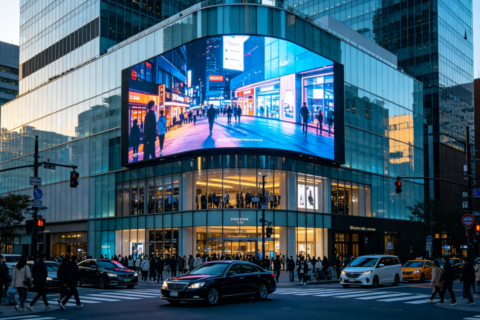
Commercial LED All-in-One Displays: Shipment Growth of 35%, Leading the Market
Commercial LED all-in-one displays were the fastest-growing segment in 2026. According to data from an industry white paper, global shipments of LED all-in-one displays are projected to reach 15,500 units in 2026, with the Chinese market accounting for approximately 53% of that total. In terms of actual performance, the LED all-in-one display market in 2025 delivered results that exceeded expectations—while the industry had previously projected annual shipments of approximately 12,000 to 13,000 units, actual shipments surpassed 14,000 units. The shipment growth rate reached 35%, far exceeding the industry average.
The core driver of this growth stems from the inflection point in the shift away from projectors. Driven by enterprises’ strong demand for “seamless” and “high-brightness, eye-friendly” experiences, LED all-in-one displays are rapidly replacing traditional projectors and LCD equipment in industries with stringent image quality requirements, such as finance, energy, and design. Falling costs are another key factor—as COB packaging yield rates improve and the supply chain matures, the average price of mainstream 136-inch COB all-in-one displays has nearly halved from its 2024 peak. In high-end conference all-in-one displays (with pixel pitches of P1.2 or smaller), the adoption rate of COB packaging technology has reached nearly 80%.
Industry research firms project a 19% compound annual growth rate (CAGR) for LED all-in-one displays from 2024 to 2029. In terms of growth momentum, a 35% increase in shipments will make LED all-in-one displays the fastest-growing segment in 2026. However, it is important to note that they currently account for only 3% of the entire LED display market, and their absolute market size remains relatively small. LED all-in-one displays are currently at a critical turning point, transitioning from “proof of concept” to “widespread adoption.”
XR Virtual Production: Annual Growth of 30% in Output Value, Strong Growth Momentum
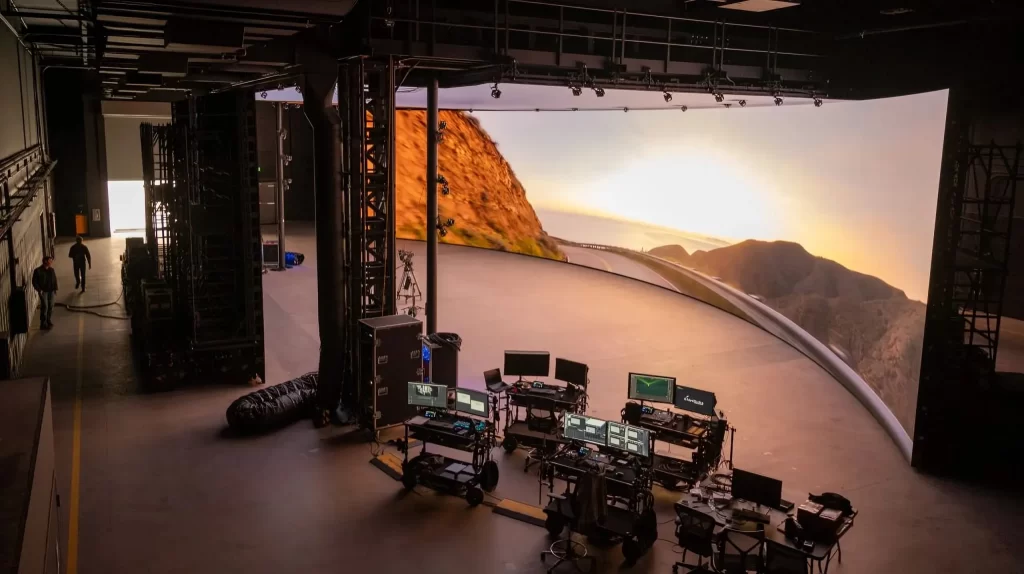
XR virtual production is one of the fastest-growing segments in the LED display industry in recent years. Industry research shows that the global market for XR virtual production solutions will be approximately $1.523 billion in 2025 and is projected to reach $4.933 billion by 2032, with a compound annual growth rate (CAGR) of 18.6% from 2026 to 2032. Separate data indicates that the global market for XR virtual production displays will reach $980 million in 2025, representing 30% growth.
This growth is driven by two key factors: technological maturity and the expansion of application scenarios. Virtual production technology has evolved from the experimental stage to become a standardized process in film and television production, with LED displays replacing traditional green screens and significantly reducing post-production costs. Demand spans markets such as Thailand, Singapore, Japan, and Australia, with applications across the entertainment and audiovisual industries—including film, theater, and advertising. From Hollywood blockbusters to Asian streaming series, production teams widely adopt cinema-grade LED walls with high refresh rates and high grayscale levels, directly driving demand for micro-pitch displays.
In terms of market size, the $431 million market still accounts for a limited share of the overall market. As an emerging application that started from virtually zero, it has grown into a segment worth over $400 million in just a few short years—its growth potential is undeniable, though its absolute size has not yet reached a level where it dominates the overall market.
Creative LED Displays for Cultural and Tourism Applications: 9.3% CAGR, Steady Growth
Creative LED displays for cultural and tourism applications are the least discussed but the most steadily growing of the four segments. From a global perspective, industry research shows that global sales of creative LED displays reached $1.921 billion in 2025, with the market size projected to reach $3.603 billion by 2032, representing a compound annual growth rate (CAGR) of 9.3% from 2026 to 2032. According to statistics from another research institution, global sales of creative LED displays reached approximately 13.1 billion yuan in 2025 and are projected to reach 24.9 billion yuan by 2032, with a compound annual growth rate (CAGR) of 9.6%.
Growth momentum in the Chinese market is even stronger. Industry research data shows that in 2025, the market size for creative LED custom-shaped displays in China exceeded 13 billion yuan, and is projected to reach 14.7 billion yuan in 2026, representing a year-over-year increase of 14.3%. In terms of application scenarios, cultural tourism and nighttime attractions accounted for 39.6% of domestic LED custom-shaped display downstream applications in 2025, making it the largest application scenario.
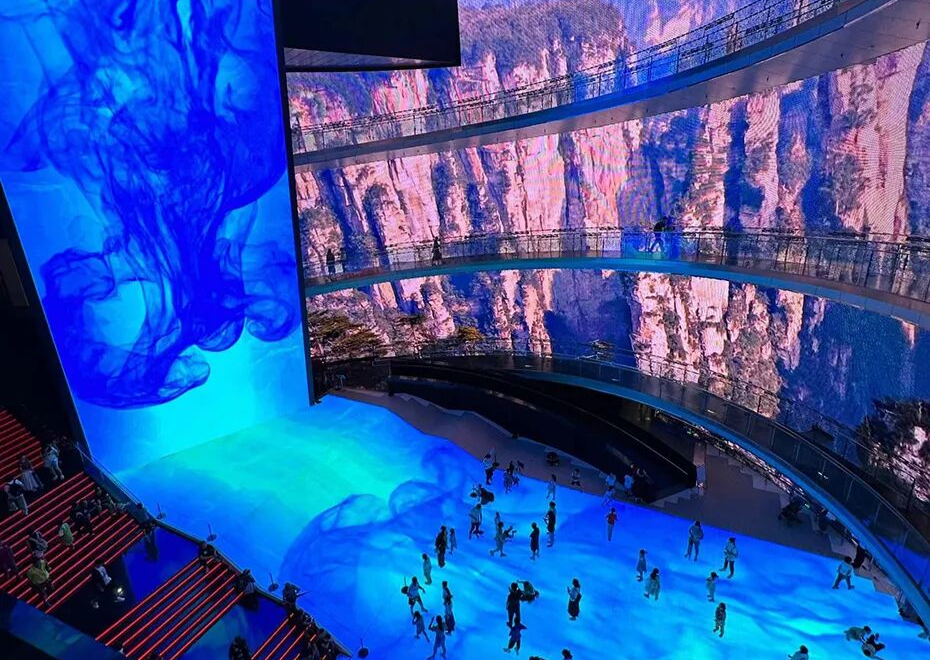
This growth is driven by multiple factors. Market demand has expanded from stage performances and exhibitions to diverse settings such as commercial complexes, cultural and tourism attractions, museums, and transportation hubs. Procurement standards have shifted from focusing on basic parameters like pixel pitch and brightness to emphasizing comprehensive capabilities such as bending radius, transparency, structural safety, and ease of installation and maintenance. As technologies such as flexible LED modules, transparent LEDs, floor-mounted screens, and curved, seamless, glasses-free 3D content gradually mature, creative LED displays are evolving from simple display terminals into spatial visual infrastructure.
Compared to projectors, LCD video walls, or static decorative materials, creative LED displays offer significant advantages in brightness, seamless splicing, design flexibility, and outdoor adaptability. Driven by multiple factors—including policies supporting the ultra-high-definition video industry, digital city development, and the cultural tourism and nighttime economy—this sector is demonstrating growth potential that exceeds that of conventional display screens. In the Chinese market, cultural tourism and nighttime activities already account for nearly 40 percent of the application share for directional screens. Against the backdrop of deepening integration between cultural tourism and the ongoing growth of the nighttime economy, the growth prospects for creative screens in the cultural tourism sector are becoming increasingly certain.
Sports Displays: 8.6% CAGR—The Certainty of Major Sporting Events
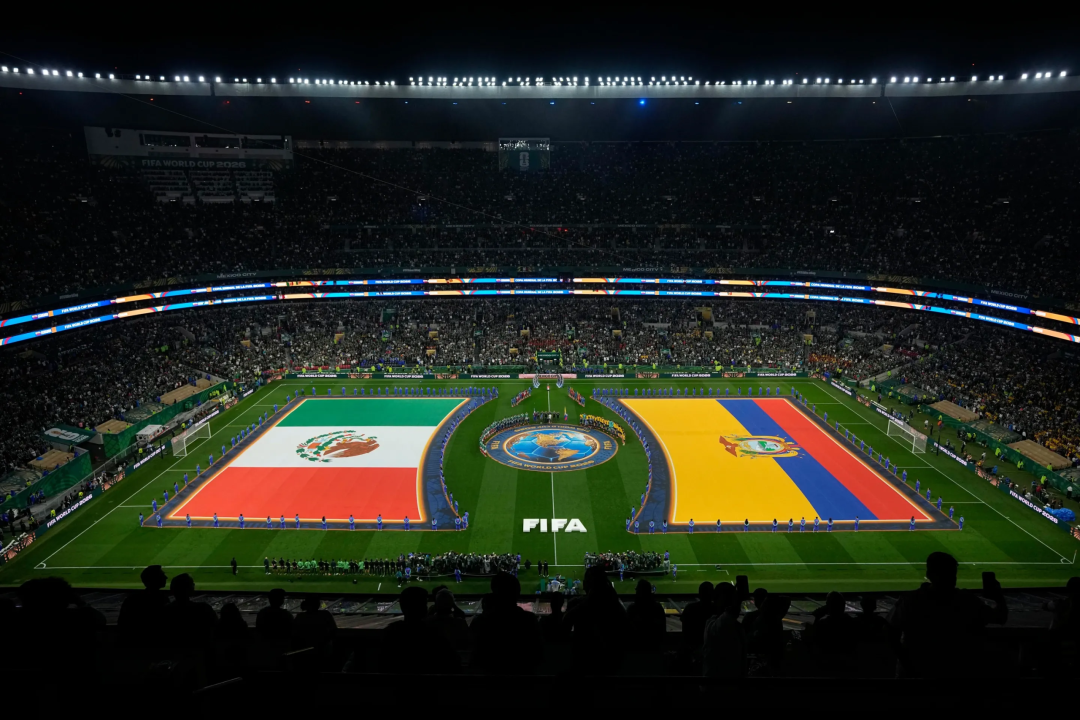
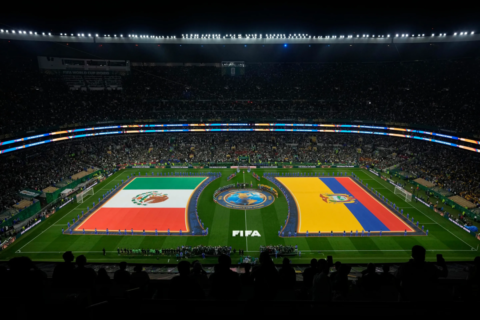
2026 is a major year for sports—with events such as the FIFA World Cup taking place one after another. Major sporting events have always been one of the most reliable core drivers of demand for LED displays.
In terms of market size, industry research data shows that the global LED stadium screen market was valued at approximately $1.72 billion in 2025 and is projected to reach $3.04 billion by 2032, with a compound annual growth rate (CAGR) of 8.6% from 2026 to 2032. According to statistics from other research institutions, the global LED stadium screen market is projected to grow from 13.632 billion yuan in 2025 to 23.664 billion yuan in 2032, with a compound annual growth rate (CAGR) of 8.2%. In the domestic market, China’s LED stadium screen market reached 3.925 billion yuan in 2025.
The sports display sector is undergoing profound transformation. Event compliance certification has become a mandatory entry requirement—organizations such as FIFA, UEFA, and FIBA have established mandatory standards for refresh rates, live broadcast compatibility, outdoor protection, and energy efficiency metrics, and official certification is listed as a prerequisite in global venue tenders. At the same time, immersive audiovisual experiences are driving venue attendance and repeat business—industry research shows that 76% of spectators base their decision to return to a venue on the quality of the large-screen display, and 68% of fans are willing to pay a ticket premium for an ultra-high-definition viewing experience. Digital large-screen displays have also opened up new revenue streams for venues; LED perimeter screens capable of dynamic advertising and AR virtual ads can increase the cost per ad impression by 30% to 50%.
The sports sector’s strengths lie in its large installed base and high demand certainty. However, in terms of growth, its 8.6% compound annual growth rate ranks relatively low among the four sectors. The 2026 World Cup represents a short-term peak, and the cyclical nature of the industry—driven by major events—means that the growth curve is not a smooth upward trend.
In Conclusion: Who Is the Growth Champion?
If growth rate is the sole metric, commercial all-in-one LED displays will be the fastest-growing segment in 2026. This segment is currently at a critical turning point, transitioning from “proof of concept” to “widespread adoption.” With a 35% growth rate in shipments—far exceeding the industry average—it is expected to experience a true boom in the next two to three years.
However, if we shift our focus from “growth rate” to “contribution to overall market growth,” creative screens for cultural and tourism applications—with an installed base of nearly $2 billion and steady growth of nearly 10%—are equally a force to be reckoned with. By 2026, the LED display industry will no longer follow a pattern of “one prospers, all prosper”; the divergence among segments means opportunities are becoming increasingly structured—choosing the right segment is more important than ever.
In 2026, these four segments of the LED display industry have charted distinctly different growth trajectories: commercial all-in-one displays are driving widespread adoption through falling costs; XR virtual filming is opening new markets through technological breakthroughs; creative screens for cultural and tourism projects are benefiting from the “night economy” boom; and sports event displays are capitalizing on the certainty of major tournaments. The industry has shifted from broad-based growth to structural differentiation—with varying growth rates and market sizes—but each segment follows its own logic and pace.
相关新闻
-
Comprehensive Outlook for the Entire LED Display Industry in the Second Half of 2026
In the second half of 2026, the LED display industry will officially enter a critical transition period characterized by a shift toward a market dominated by existing installations and structural optimization; the industry as a whole is unlikely to experience the kind of explosive growth seen in previous years.
-
Exports Soared in Q2 2026, Marking a Temporary Peak in Deliveries for Chinese LED Display Manufacturers
In the second quarter of 2026, China’s LED display industry experienced a significant surge in overseas shipments. The industry saw a temporary peak in deliveries.
-
2026 Fine-Pitch LED Displays: COB and Mini LED Technologies Drive Industry Innovation
COB fine-pitch LED displays, “as core hardware for smart visualization, have been widely adopted in government, security, cultural tourism, and corporate office settings.”
-
Global LED Display Market in Q1 2026: “Volume Up, Prices Down”
According to Omdia’s latest “LED Display Market Tracking Report,” global LED display shipments in the first quarter rose slightly by 0.6% year-over-year, continuing the previous trend of moderate growth; however, market revenue fell by 2.3% year-over-year.
-
A Review of the LED Display Market in the First Half of 2026
In the first half of 2026, the shipment area of domestic fine-pitch LED displays continued to grow at a double-digit rate; however, due to the ongoing decline in average product prices, overall sales revenue fell year-over-year, and the industry entered a typical phase of “increasing volume but decreasing revenue.”
-
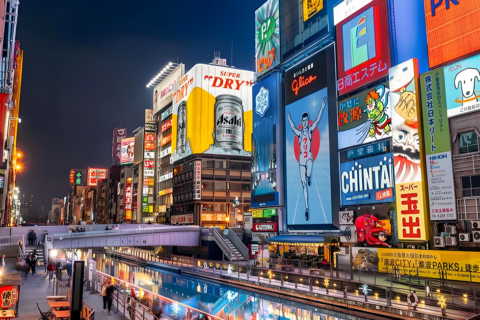
Tightening Supply of Raw Materials for LED Screens Disrupts Japan’s Supply Chain
The implementation of export controls on critical rare earths and core minerals has indeed placed tangible supply pressures on Japan’s display industry chain, while also creating a temporary market opportunity for Chinese LED display companies.
-

How Can LED Screens Be Upgraded to “AI Human-Machine Interfaces” by 2026?
By 2026, the criteria for evaluating LED displays will move beyond traditional hardware metrics such as brightness and resolution; interactivity, intelligence, and adaptability to different scenarios will become the new industry benchmarks.
-
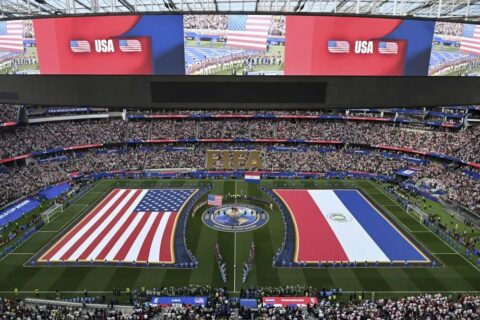
How Much Room for Growth Does Smart Sports Offer the LED Display Industry?
The possibilities opened up by smart sports go far beyond 600,000 units. It points toward a full-scenario smart sports display ecosystem that spans “schools,” “homes,” and “communities.”