

Global LED Display Market in Q1 2026: “Volume Up, Prices Down”
In the first quarter of 2026, the global LED display industry posted seemingly contradictory results. According to the latest “LED Display Market Tracker” report released by international research firm Omdia, global LED display shipments in the first quarter rose slightly by 0.6% year-over-year, continuing the previous trend of moderate growth; however, market revenue fell by 2.3% year-over-year. The domestic market exhibited similar characteristics, with financial reports from major listed companies showing marked divergence: while some companies saw a decline in revenue, the proportion of high-end product shipments actually increased against the trend.
“Volume Up, Prices Down”: Structural Adjustments Drive Market Changes
This decline in industry revenue was not caused by insufficient overall demand but rather resulted from a combination of factors, with the downward shift in average selling prices driven by product structure upgrades being the core reason.
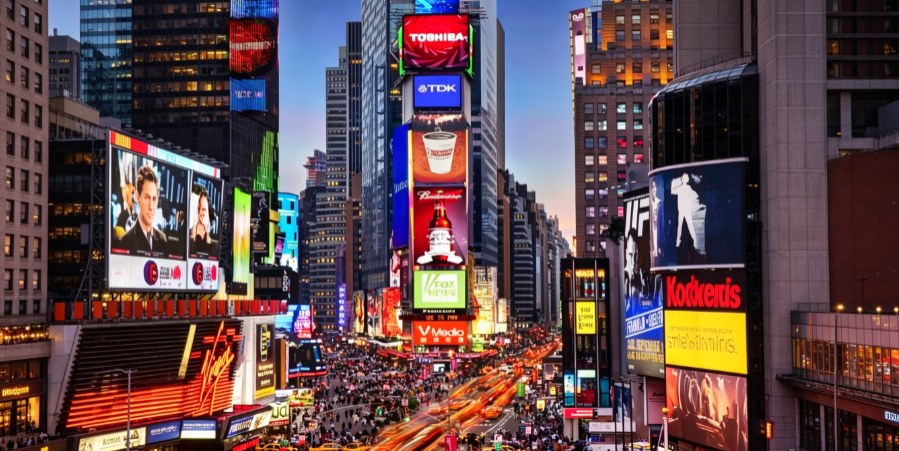
First, revenue from products with a pixel pitch of 1.0–1.99 millimeters—which form the industry’s core—declined by 6.8% year-over-year, becoming the single largest factor affecting overall revenue. This segment has experienced explosive growth and intense price wars over the past five years. With technological maturity and excess production capacity, products in this range have entered a phase of competition based on existing market share, and market demand is accelerating its shift toward both ends of the spectrum: on one end, the high-end commercial and professional display market featuring smaller pixel pitches; on the other, the outdoor public display and rental market featuring larger pixel pitches.
Second, rising prices of upstream raw materials and the time lag in passing those costs on to consumers further compressed the industry’s profit margins. From late 2025 through the first quarter of 2026, a new wave of price hikes swept through the upstream segment of the LED supply chain, with prices for key materials such as PCBs, copper foil, and driver ICs rising sharply. More than 80 companies along the supply chain successively issued price adjustment notices. However, since most companies still held a large number of previously contracted low-price orders, the rising costs could not be immediately and fully passed on to the end market, resulting in widespread pressure on the industry’s overall gross profit margin in the first quarter.
Third, fluctuations in the RMB exchange rate had a significant impact on export-oriented companies. In the first quarter of 2026, the RMB continued to strengthen against the U.S. dollar, resulting in foreign exchange losses of up to tens of millions of yuan for some companies with a high proportion of exports, which directly eroded net profits.
Finally, global market demand showed marked divergence. Demand for traditional commercial displays in developed economies such as Europe and the United States remained sluggish, while demand in emerging markets—including the Middle East, Southeast Asia, and Africa—grew rapidly but was dominated by low- to mid-range products with lower unit prices, making it difficult to offset the decline in revenue from the high-end market. However, demand in niche sectors such as sporting events, cultural tourism and nighttime activities, and smart cities continued to grow strongly.
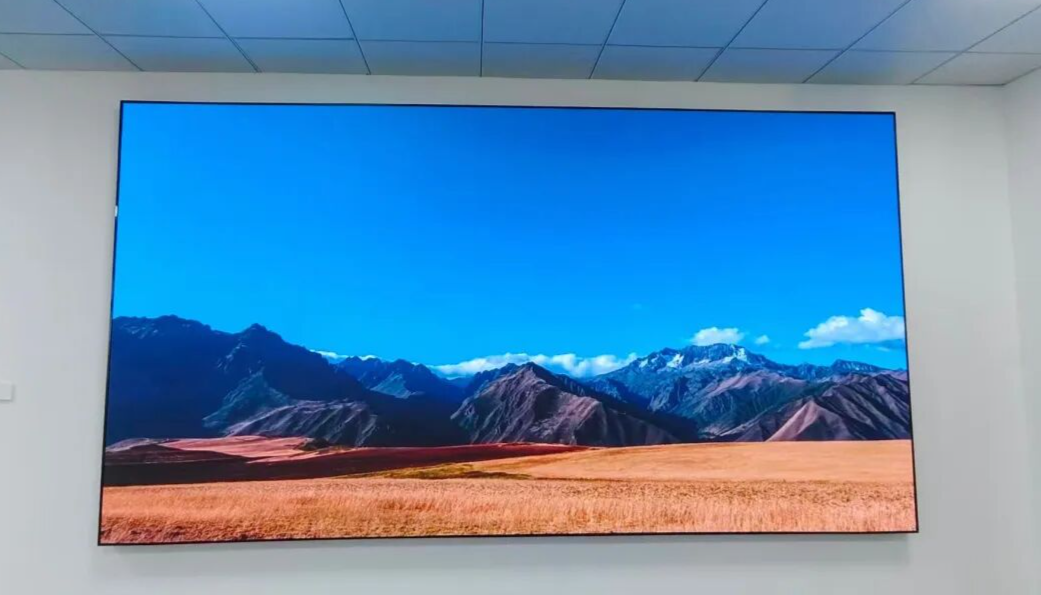
Not a Sign of Decline: The Industry Enters a Critical Transition Period of “Stable Volume, Improved Quality”
Looking beyond the surface phenomenon of “rising volume and falling prices,” we can see the positive changes taking place in the LED display industry. The steady growth in shipment volume indicates that market demand fundamentals remain healthy, while the decline in revenue is essentially a process of survival of the fittest and structural optimization within the industry.
Shipments have remained resilient, and the market structure is optimizing at both ends of the spectrum. Global shipments in the first quarter increased by 0.6% year-over-year, with shipments of 5.00–9.99 mm outdoor large-screen displays rising 16.1% year-over-year and shipments of 0.60–0.99 mm ultra-fine-pitch products increasing 11.6% year-over-year. The rapid growth of these two distinct market segments—one high-end and one low-end—indicates that industry demand is concentrating on more specialized, high-end, and large-scale application scenarios.
The trend toward high-end products is accelerating, and technical barriers are continuously rising. The industry has established a framework for the parallel development of two high-end packaging technologies—COB and MiP—with an increasingly clear division of labor. Thanks to its high protection, reliability, and superior display performance, COB packaging continues to gain market share in the high-end small-pitch segment. At the same time, the focus of technological innovation in the industry is shifting from merely reducing pixel pitch to improving image quality, optimizing energy efficiency, advancing smart capabilities, and enhancing system integration capabilities.
Corporate profitability has diverged, with advantages in high-end segments becoming increasingly apparent. Industry performance showed marked divergence in the first quarter; companies focused on high-end products and integrated solutions demonstrated greater resilience, with gross profit margins generally remaining above 30 percent—and some even achieved year-over-year increases in gross profit margins. In contrast, companies primarily offering low- to mid-range, commoditized products faced greater pressure to survive, as market resources are rapidly concentrating among leading firms with core technologies and brand advantages.
Low-end production capacity is being rapidly phased out, and the competitive landscape is gradually improving. Driven by rising raw material prices, stricter environmental regulations, and intensifying market competition, a large number of small and micro enterprises lacking core competitiveness have been forced to exit the market. The industry has completely reversed the vicious cycle of blind capacity expansion and low-price competition, shifting its focus toward product quality, technological innovation, and improved profitability.
The competitive logic is being reshaped, shifting from “price wars” to “technological supremacy”
The market environment characterized by “increasing volume and falling prices” has forced a fundamental shift in the competitive logic of the LED display industry. Over the past decade, competition in the industry centered primarily on price, with companies vying for market share by continuously expanding production capacity and reducing costs. Now, however, the price war has reached its end, and technological innovation, product quality, and solution capabilities have become the key determinants of a company’s success or failure.
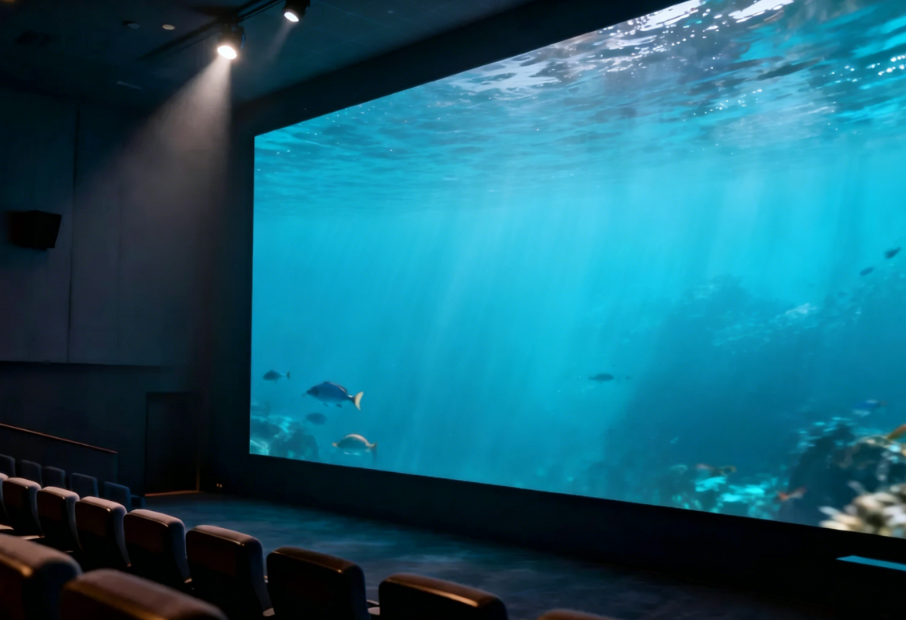
Leading companies are increasingly investing in R&D and accelerating their expansion into high-end technologies and emerging sectors. Some companies are focusing on breakthroughs in ultra-fine-pitch display technology, continuously improving the mass production capacity and yield rates of Mini/Micro LED products; others are delving deeply into “LED+AI” integrated applications, launching a new generation of products featuring intelligent picture quality calibration, automatic fault diagnosis, and cloud-based operation and maintenance capabilities; still others are targeting niche markets, building differentiated competitive advantages in emerging fields such as LED cinema screens, XR virtual filming, and in-vehicle displays.
The pace of industry consolidation is also accelerating significantly. Through mergers and acquisitions, leading companies can rapidly acquire technology, talent, and market resources, further optimize their industrial chain layout, and consolidate their competitive advantages. Since 2026, the industry has seen multiple M&A transactions involving various segments such as packaging and driver ICs, control systems, and content production, with synergies across the industrial chain continuing to strengthen.
The market is expected to stabilize and rebound in the second half of the year, with ample momentum for long-term growth
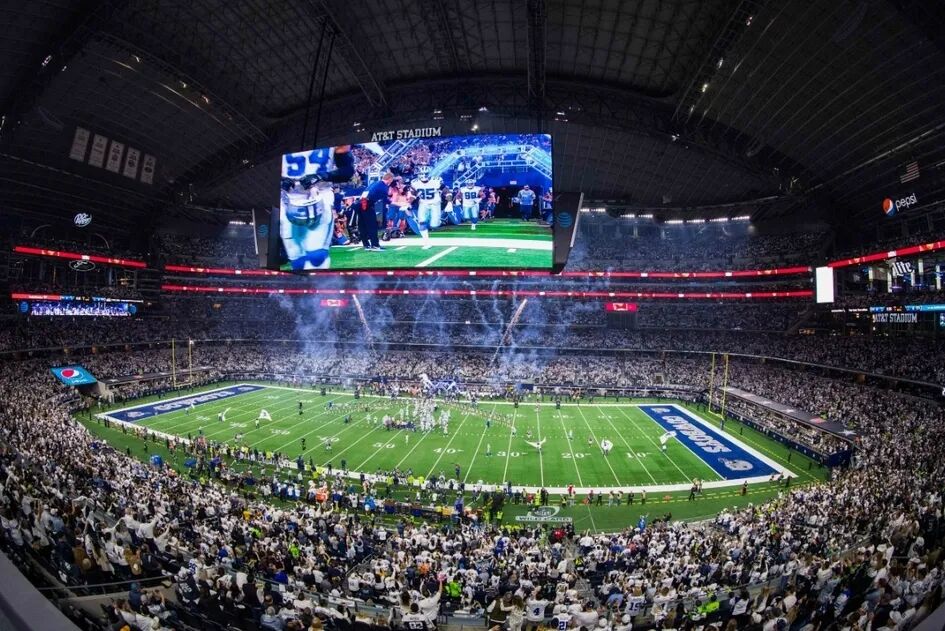
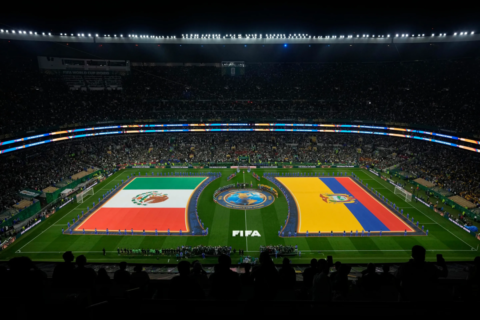
Although the industry faced certain challenges in the first quarter, there is widespread optimism within the sector regarding future development. As low-price orders are gradually fulfilled and upstream raw material prices stabilize, cost pressures will gradually ease, and corporate profitability is expected to improve by the end of the second quarter. At the same time, major international events such as the USA-Canada-Mexico World Cup in the second half of 2026 will drive a surge in concentrated demand in the global rental display market, which is expected to spur a rebound in the industry’s overall revenue.
From a long-term perspective, the LED display industry remains in a phase of rapid development. Emerging application scenarios—such as XR virtual filming, LED movie screens, immersive cultural and tourism experiences, in-vehicle displays, and smart lamppost screens—are rapidly gaining traction, offering vast growth potential for the industry. According to industry forecasts, the global LED display market is expected to maintain a compound annual growth rate (CAGR) of over 10% over the next five years.
The “volume growth, price decline” trend observed in Q1 2026 marks a significant turning point in the development of the LED display industry. It signals the end of an era dominated by scale expansion and price competition, and heralds the beginning of a new era centered on technological innovation and quality-driven efficiency.
相关新闻
-
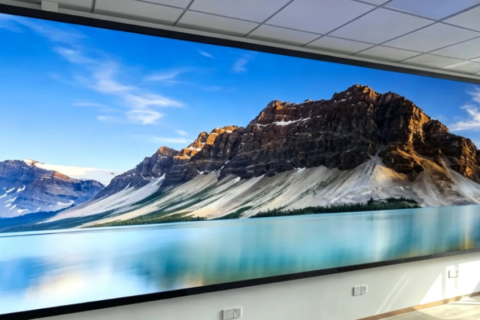
A Review of the LED Display Market in the First Half of 2026
In the first half of 2026, the shipment area of domestic fine-pitch LED displays continued to grow at a double-digit rate; however, due to the ongoing decline in average product prices, overall sales revenue fell year-over-year, and the industry entered a typical phase of “increasing volume but decreasing revenue.”
-

How Can LED Screens Be Upgraded to “AI Human-Machine Interfaces” by 2026?
By 2026, the criteria for evaluating LED displays will move beyond traditional hardware metrics such as brightness and resolution; interactivity, intelligence, and adaptability to different scenarios will become the new industry benchmarks.
-
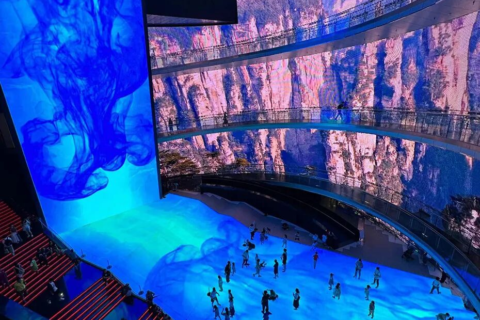
2026 Growth Rankings for LED Screen Market Segments
In 2026, the global LED display industry stands at a critical juncture. According to industry forecasts, the global LED display market is projected to reach $8.105 billion in 2026.
-

How Much Room for Growth Does Smart Sports Offer the LED Display Industry?
The possibilities opened up by smart sports go far beyond 600,000 units. It points toward a full-scenario smart sports display ecosystem that spans “schools,” “homes,” and “communities.”
-
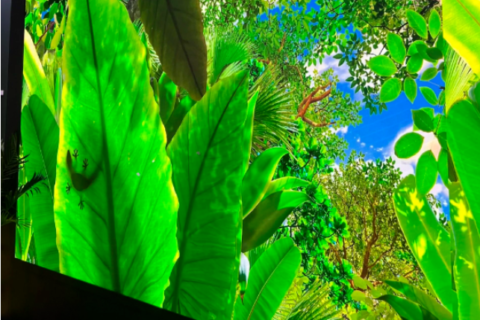
2026 Fine-Pitch LED Displays: COB and Mini LED Technologies Drive Industry Innovation
COB fine-pitch LED displays, “as core hardware for smart visualization, have been widely adopted in government, security, cultural tourism, and corporate office settings.”
-
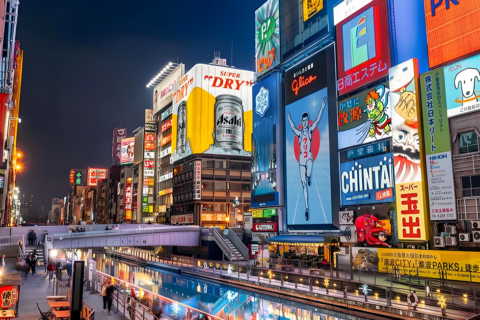
Tightening Supply of Raw Materials for LED Screens Disrupts Japan’s Supply Chain
The implementation of export controls on critical rare earths and core minerals has indeed placed tangible supply pressures on Japan’s display industry chain, while also creating a temporary market opportunity for Chinese LED display companies.
-
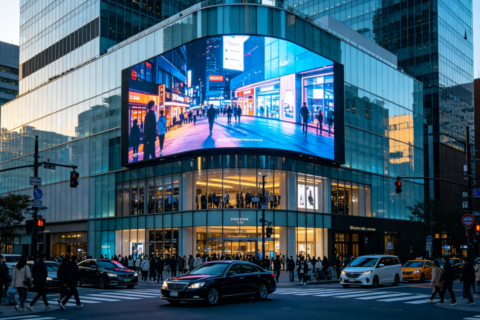
Comprehensive Outlook for the Entire LED Display Industry in the Second Half of 2026
In the second half of 2026, the LED display industry will officially enter a critical transition period characterized by a shift toward a market dominated by existing installations and structural optimization; the industry as a whole is unlikely to experience the kind of explosive growth seen in previous years.
-
Exports Soared in Q2 2026, Marking a Temporary Peak in Deliveries for Chinese LED Display Manufacturers
In the second quarter of 2026, China’s LED display industry experienced a significant surge in overseas shipments. The industry saw a temporary peak in deliveries.