

Exports Soared in Q2 2026, Marking a Temporary Peak in Deliveries for Chinese LED Display Manufacturers
In the second quarter of 2026, China’s LED display industry experienced a significant surge in overseas shipments. Driven by the combined effects of the concentrated release of demand stemming from the World Cup in the U.S., Canada, and Mexico, as well as a recovery in overseas market demand, previously backlogged overseas orders entered a concentrated delivery phase. As a result, several leading LED display manufacturers saw a substantial quarter-over-quarter increase in overseas shipments during Q2, marking a temporary peak in industry deliveries.
Q1 Background: Volume Up, Prices Down; Orders “On the Way”
According to the “LED Video Display Market Tracking Report” released by an industry research firm, global LED video display shipments in the first quarter of 2026 increased by 0.6% year-over-year, continuing a trend of steady growth. However, market revenue declined by 2.3% year-over-year—marking the first instance of negative revenue growth since 2022. “Volume up, prices down”—more units were sold, but profits declined. The primary factor dragging down revenue was the 1.0–1.99 mm pixel pitch segment. This market segment, which has long accounted for the largest share of industry revenue, saw its Q1 revenue fall by 6.8% year-over-year. Prices and profits for flagship products came under pressure, directly weighing on the industry’s overall revenue performance.
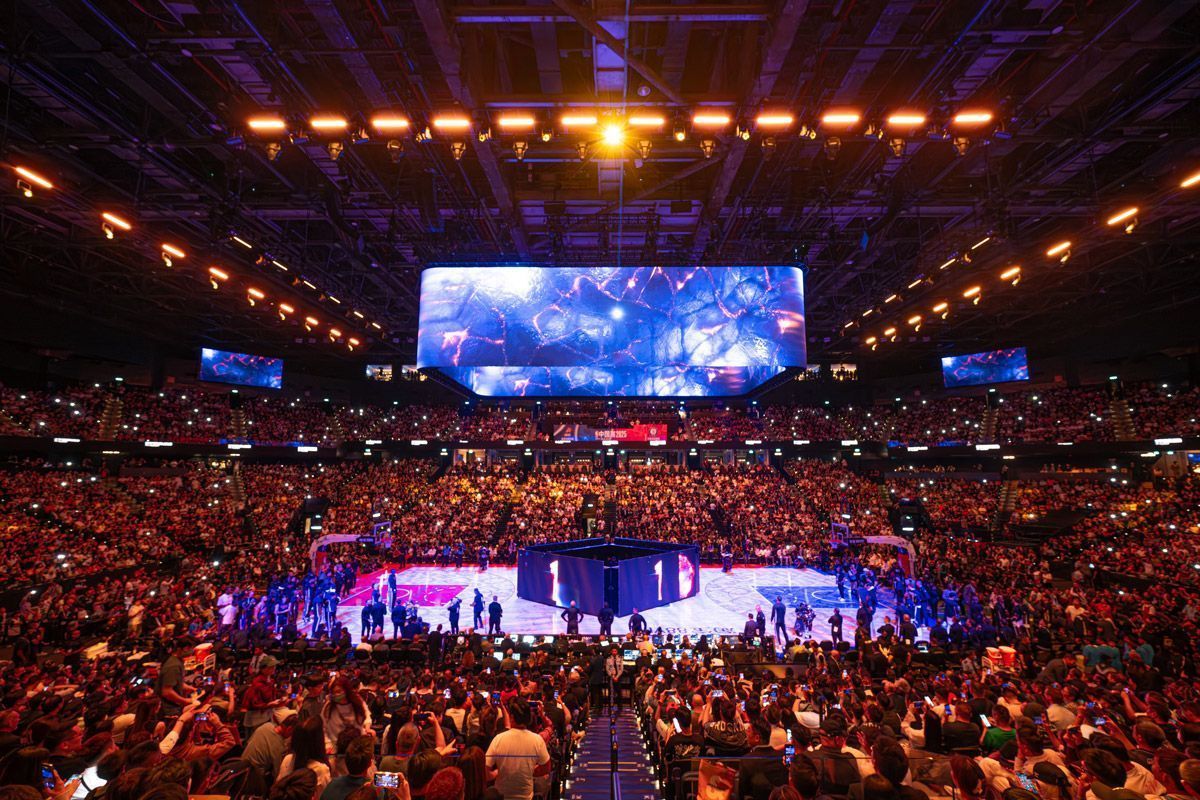
It is worth noting, however, that while demand in traditional applications remains sluggish, demand in emerging sectors—such as sports and cultural events, smart city development, hotels and commercial spaces, the digitization of higher education, and corporate visualization upgrades—continues to grow steadily. LED displays are increasingly becoming the preferred solution for high-end visual communication in these fields.
At the same time, there was another objective factor in Q1 that cannot be overlooked: global port congestion caused significant delays in the shipment of overseas orders for sporting events and retail signage, preventing them from being included in first-quarter revenue. In other words, the orders were actually already “on their way,” but delivery was held up in transit.
Q2 Results: Concentrated Delivery of Event Orders Drives Significant Quarter-over-Quarter Increase in Shipments
Entering the second quarter, the situation underwent a fundamental shift. From a macro perspective, data from the General Administration of Customs shows that in the first half of 2026, national imports and exports totaled 25.47 trillion yuan, a year-over-year increase of 16.9%; Q2 imports and exports alone totaled 13.61 trillion yuan, up 18.4% year-over-year, marking the highest quarterly growth rate since 2021. Among these, exports of mechanical and electrical products and high-tech products grew by 20.1% and 39%, respectively, with high-end export categories such as LED commercial displays, XR virtual reality devices, and event rental displays benefiting significantly from this round of foreign trade recovery.
Specifically in the LED display industry, the growth in overseas shipments in Q2 was primarily driven by three factors:
First, the concentrated release of backlogged orders. Overseas orders that were delayed in the first quarter due to global shipping congestion were processed through customs clearance, shipment, and acceptance procedures between April and June, and were fully recognized as revenue in the second quarter. This concentrated release of backlogged orders formed the foundation for the significant quarter-over-quarter increase in Q2 shipments.
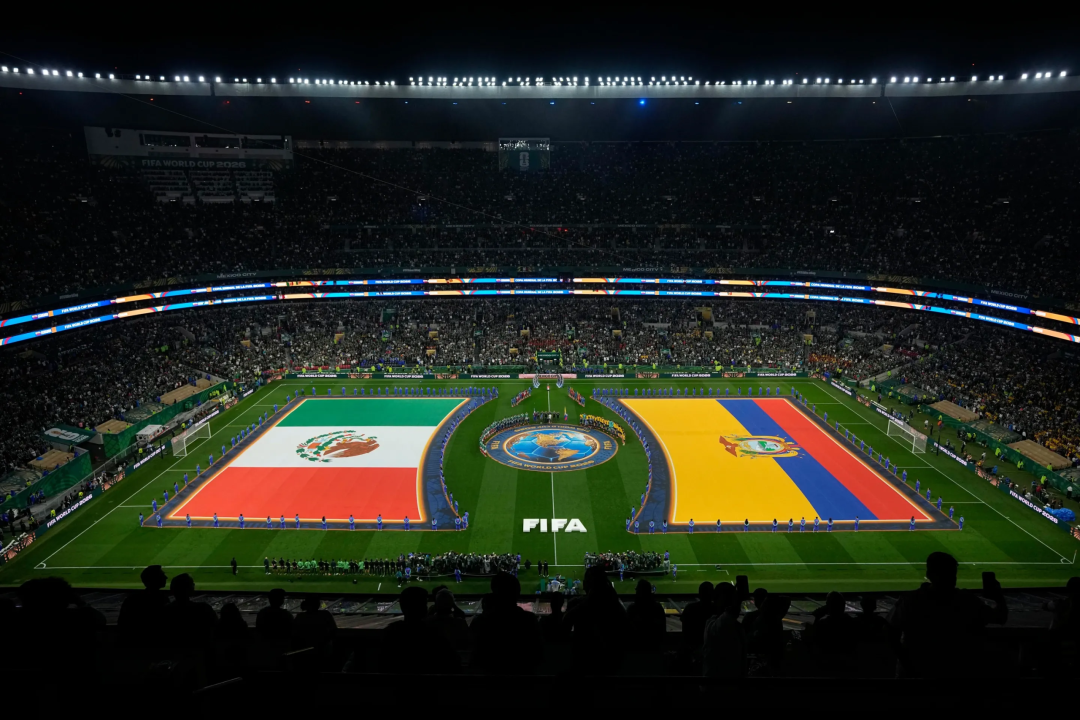
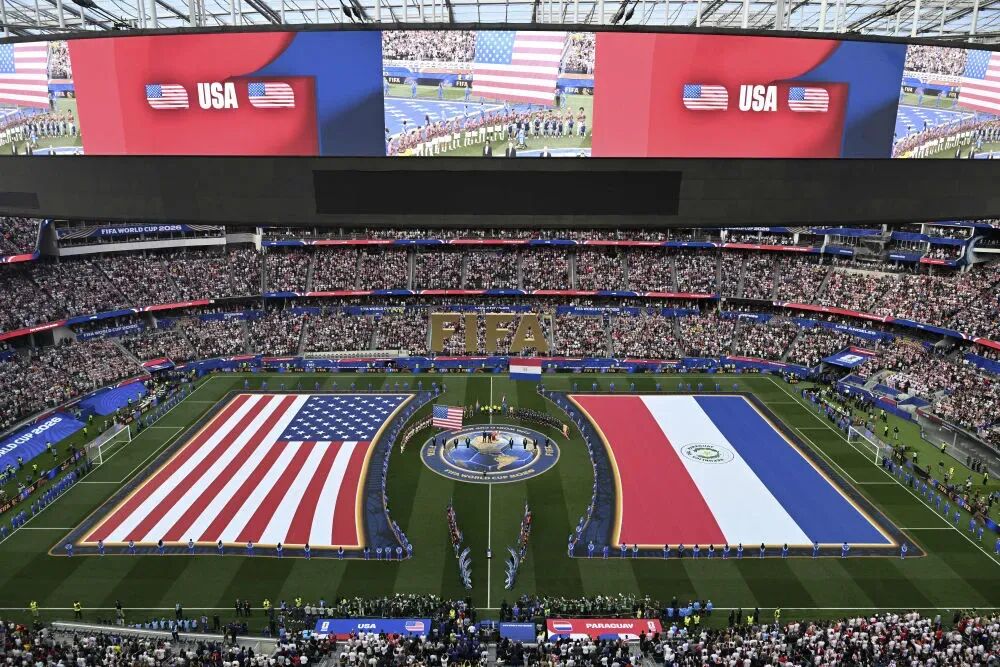
Second, the fulfillment of orders for the World Cup. The 2026 USA-Canada-Mexico World Cup officially kicked off on June 12. As a top-tier global sporting event, it generates massive demand for LED displays. At Mexico’s Azteca Stadium, a company provided a comprehensive digital audiovisual system with a total area exceeding 2,200 square meters, covering multiple areas including the north and south main screens, the inner-arc surround screens, and the perimeter screens around the field. This is one of the largest orders secured by a Chinese LED display company for a single sports venue, and it also marks the advancement of Chinese brands within the supply chain of top-tier international events—from mere “hardware suppliers” to “comprehensive audiovisual solution providers.”
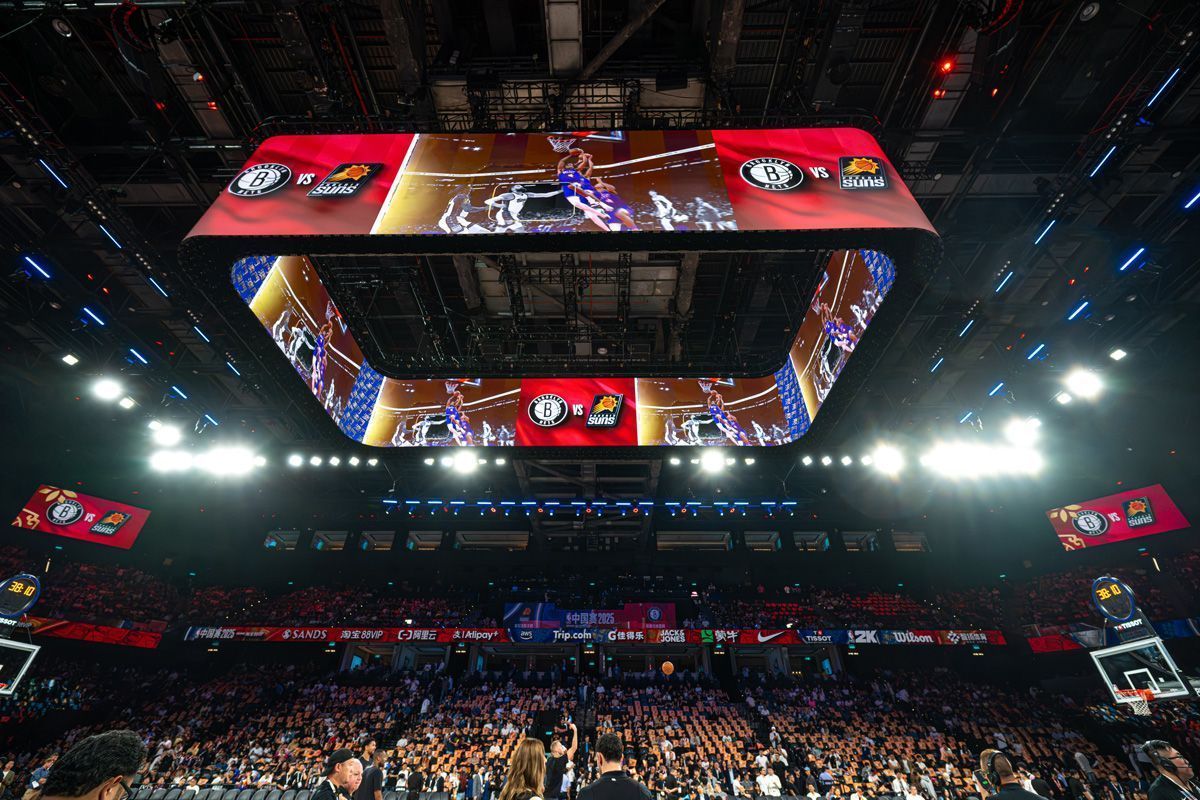
At BC Place in Vancouver, Canada, a high-end LED central funnel screen—independently developed by a Shenzhen-based company—was successfully installed. With a total area exceeding 600 square meters, it is currently the largest central suspended smart display system in a Canadian venue. Additionally, other companies delivered complete LED broadcast screen solutions to official World Cup broadcasters, covering multiple key display scenarios throughout the tournament. Delivery and revenue recognition for these large-scale projects were completed in the second quarter.
Third, overseas market demand has seen a comprehensive recovery. Demand in North America, Europe, and markets along the “Belt and Road” route has recovered simultaneously. Bulk orders—including retail digital signage in North America, cultural and tourism projects in Europe, and smart city and commercial district renovations in the Middle East—were concentrated in the second quarter. Overseas shipments of high-end Mini/MicroLED products saw significant year-over-year growth, driven by surging demand in overseas government and corporate conference rooms, XR virtual studios, and other applications.
Overall, the industry’s total overseas revenue in the second quarter grew by more than 40% quarter-over-quarter. Overseas orders accounted for over 60% of newly signed contracts, with annual restocking agreements with European and North American distributors finalized, and bulk orders from emerging markets such as the Middle East and Southeast Asia following suit.
What Does a “Temporary Peak” Mean?
This shipment peak in Q2 is essentially the combined effect of backlogged orders from the first quarter and orders for second-quarter sporting events being delivered simultaneously; it is both a “catch-up” and a “fulfillment” of commitments. However, it is worth considering whether this peak is sustainable.
On the positive side, top-tier events like the World Cup bring more than just short-term order revenue. Large-scale stadium projects have a powerful benchmarking and demonstration effect—as the “Temple of Soccer” and the only stadium in the world to have hosted the World Cup three times, the Azteca Stadium’s digital renovation project was broadcast live simultaneously in over 100 countries worldwide, exposing Chinese LED display products to billions of viewers. This brand exposure and accumulated trust are expected to translate into future growth in overseas orders.
On the other hand, the benefits from major sporting events are ultimately one-time occurrences. The industry’s real challenge lies in: how to transform the brand exposure generated by these events into sustained market share growth? And how to enhance profitability through product portfolio upgrades and technological differentiation amid the “volume up, prices down” trend that has already emerged in Q1?
Research institutions point out that the global LED display market achieved robust 14% growth in 2025, but whether this momentum can be sustained in 2026 depends on whether companies can identify additional growth drivers beyond major sporting events. Emerging segments such as LED displays for movie theaters, all-in-one LED displays, and creative displays are becoming the next wave of growth that the industry is focusing on.
In the short term, the earnings boost from orders related to events like the World Cup has already been fully realized, and there is some uncertainty as to whether Q3 and Q4 will maintain the growth momentum seen in Q2. However, in the long term, global demand for digital display replacements continues to grow, and the penetration rate of LED displays in commercial, residential, and public service sectors is far from peaking. These temporary peaks are merely milestones in the industry’s long-term journey; what will truly determine its future direction is whether Chinese display manufacturers can transform this wave of benefits into sustained competitiveness.
相关新闻
-
Comprehensive Outlook for the Entire LED Display Industry in the Second Half of 2026
In the second half of 2026, the LED display industry will officially enter a critical transition period characterized by a shift toward a market dominated by existing installations and structural optimization; the industry as a whole is unlikely to experience the kind of explosive growth seen in previous years.
-
Global LED Display Market in Q1 2026: “Volume Up, Prices Down”
According to Omdia’s latest “LED Display Market Tracking Report,” global LED display shipments in the first quarter rose slightly by 0.6% year-over-year, continuing the previous trend of moderate growth; however, market revenue fell by 2.3% year-over-year.
-
How Much Room for Growth Does Smart Sports Offer the LED Display Industry?
The possibilities opened up by smart sports go far beyond 600,000 units. It points toward a full-scenario smart sports display ecosystem that spans “schools,” “homes,” and “communities.”
-
Tightening Supply of Raw Materials for LED Screens Disrupts Japan’s Supply Chain
The implementation of export controls on critical rare earths and core minerals has indeed placed tangible supply pressures on Japan’s display industry chain, while also creating a temporary market opportunity for Chinese LED display companies.
-
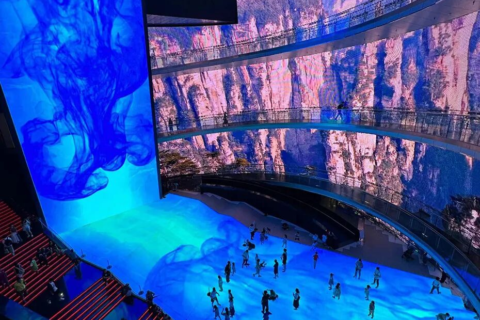
2026 Growth Rankings for LED Screen Market Segments
In 2026, the global LED display industry stands at a critical juncture. According to industry forecasts, the global LED display market is projected to reach $8.105 billion in 2026.
-
2026 Fine-Pitch LED Displays: COB and Mini LED Technologies Drive Industry Innovation
COB fine-pitch LED displays, “as core hardware for smart visualization, have been widely adopted in government, security, cultural tourism, and corporate office settings.”
-

How Can LED Screens Be Upgraded to “AI Human-Machine Interfaces” by 2026?
By 2026, the criteria for evaluating LED displays will move beyond traditional hardware metrics such as brightness and resolution; interactivity, intelligence, and adaptability to different scenarios will become the new industry benchmarks.
-
A Review of the LED Display Market in the First Half of 2026
In the first half of 2026, the shipment area of domestic fine-pitch LED displays continued to grow at a double-digit rate; however, due to the ongoing decline in average product prices, overall sales revenue fell year-over-year, and the industry entered a typical phase of “increasing volume but decreasing revenue.”